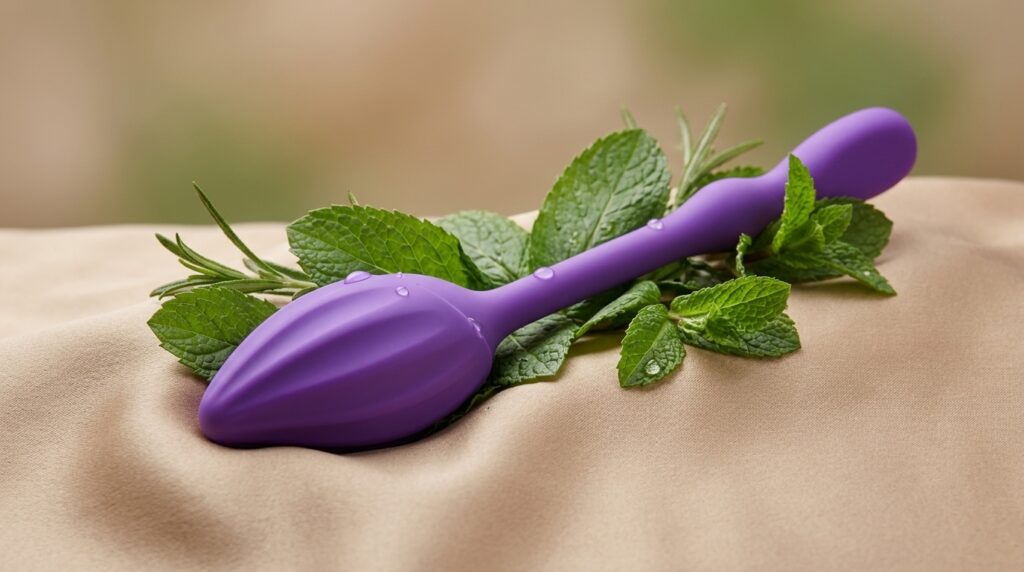
In the personal wellness hardware industry, silicone remains the undisputed gold standard material due to its biocompatibility, silky hand-feel, and durability. However, as brand catalog offerings diversify—ranging from high-volume entry-level products to premium flagship devices—engineering teams often face a pivotal decision: Should you use Traditional Solid Silicone Molding or Liquid Silicone Rubber (LSR) Injection?
Both manufacturing techniques have distinct performance characteristics, cost structures, and application scenarios. Understanding these differences allows brands to optimize their product design, tooling budget, and production efficiency.
1. Solid Silicone Compression Molding: Proven Efficiency & Cost-Effectiveness
Solid silicone compression molding is the foundational backbone of silicone device manufacturing. For many established best-sellers and classic hardware designs, solid silicone offers undeniable advantages:
- Lower Tooling Investment: Compression molds generally require significantly lower upfront capital expenditure, making them ideal for testing new designs or launching localized product lines.
- High Structural Flexibility: Ideal for high-durometer (firmer) components, internal structural dampeners, and classic ergonomic silhouettes.
- Cost Efficiency for Mass Production: Provides a balanced cost-to-performance ratio for mid-range and high-volume retail inventory.
With high-precision tooling and experienced trimming techniques, high-grade solid silicone products deliver exceptional softness and long-lasting durability.
2. Liquid Silicone Rubber (LSR) Injection: High Precision & Seamless Finish
For flagship product lines requiring ultra-smooth tactiles, intricate micro-structures, or complex overmolding, Liquid Silicone Rubber (LSR) represents the cutting edge of manufacturing technology:
- Micro-Precision & Flash Control: LSR utilizes closed-loop automated injection into high-precision temperature-controlled molds ($\pm 0.005\text{ mm}$ tolerance). This process minimizes flash and produces a remarkably refined surface finish.
- Seamless Overmolding & IPX7 Integrity: Liquid silicone flows seamlessly around rigid PC/ABS internal frames, creating air-tight seals without the need for manual adhesives or multi-piece assembly gaps.
- Ultra-Soft & Medical-Grade Tactile: LSR supports lower durometer formulations, achieving an ultra-velvety, skin-like softness that elevates the sensory experience of premium wellness devices.
3. Strategic Selection: Aligning Material Technology with Brand Goals
Rather than viewing these technologies as mutually exclusive, leading global brands leverage both in a multi-tiered product strategy:
| Feature / Goal | Solid Silicone Compression | Liquid Silicone (LSR) Injection |
| Best For | Mid-range lines, high-volume classics, lower tooling upfront | Flagship series, seamless design, ultra-soft tactile feel |
| Tooling Cost | Budget-friendly & fast prototyping | Higher initial investment, fully automated mass output |
| Waterproof Seal | Standard O-ring / adhesive seals | Direct overmolded IPX7 integrated seals |
| Tactile Range | Versatile (30A – 70A firmness) | Extremely soft to medium (10A – 50A firmness) |
Conclusion: Partnering with a Full-Capability OEM Manufacturer
At Kaiwei Wellness, we don’t push a single material solution—we engineer the right solution for your specific market strategy.
Whether you need cost-optimized, high-yield solid silicone compression molding or high-precision LSR liquid silicone overmolding, our engineering team provides end-to-end support from mold design and liquid silicone injection to final assembly and testing.
Looking to optimize your current silicone tooling or develop a new product lineup?